Wincanton Loses Third Meeting to Dry Ground
Wincanton has abandoned its 19 November jumps card because of firm ground, its third lost fixture in a row...
By Puntrr Editorial
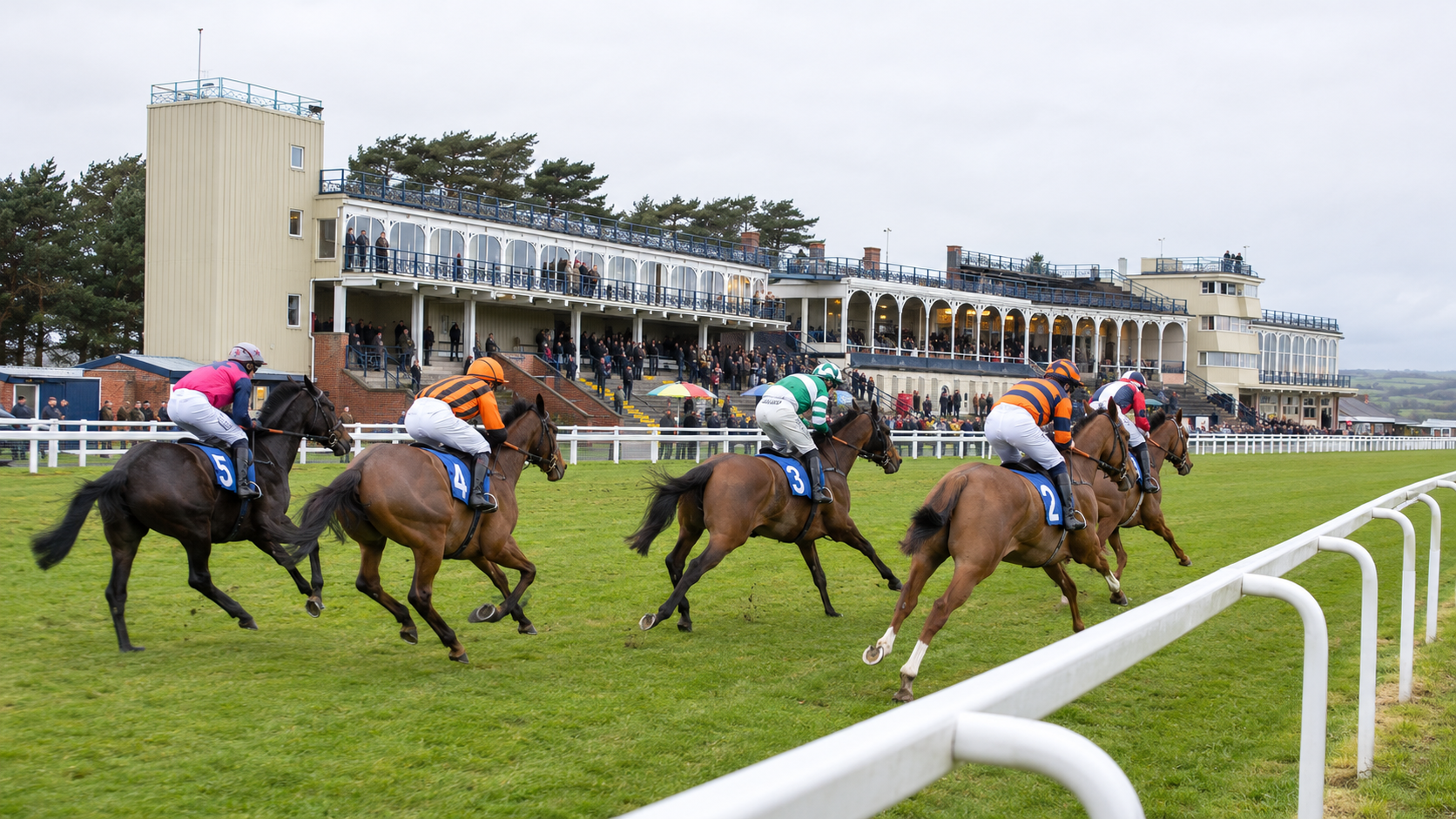
Wincanton has abandoned its jumps meeting scheduled for Thursday 19 November 2026 because the ground is too firm, the third consecutive fixture the Somerset track has lost to the dry autumn. The news emerged on Thursday 12 November, with clerk of the course Tom Ryall describing the situation as "massively frustrating".
The course has not yet staged any racing in the 2026-27 jumps season. Its next scheduled fixture is on Tuesday 24 November, and Ryall remains hopeful that the programme can finally begin then.
How Wincanton reached a third abandonment
The latest loss follows two earlier setbacks. Wincanton's popular Badger Beer Chase day, held earlier in November, was abandoned, and an earlier meeting had already been transferred to Market Rasen. The Badger Beers Trophy card was ultimately staged at Aintree rather than in Somerset.
Ryall explained that the ground has barely changed over the past fortnight. Roughly two or three weeks ago, the track received 89 millimetres of rain in a single week, which moved the going into the good to firm, firm category. Since the Badger Beer day was called off, however, only about 8mm has fallen.
That is not enough to make a difference on a track that needs sustained wet weather. Ryall pointed out that Wincanton has experienced dry summers before, but never one that has stretched this far into the autumn.
Why the reservoir cannot fix it alone
Wincanton does have a reservoir, but it is only replenished by natural rainfall. According to Ryall, it was emptied in April and stayed that way until roughly August, when some rain began to refill it slowly. It currently stands at around 60 per cent capacity, which equates to roughly six or seven days of 10mm irrigation laps around the circuit.
The course will not use that water until it is within touching distance of being raceable. Ryall's reasoning is straightforward: there is no value in spending the stored water if there is no realistic prospect of the fixture going ahead, and irrigation without natural rain will not produce a raceable surface on its own.
Earlier in the week, the track's position was still open. At that stage, officials were weighing whether enough rain would fall to justify drawing on the reservoir to try to save the 19 November card. Wincanton had said it would take stock on Thursday and would normally have been entering that Friday for the following week's meeting, with declarations due on the Tuesday. In the event, the forecast did not deliver enough to make the date viable.
The rain outlook now offers some encouragement. Ryall said Sunday afternoon, plus Tuesday, Wednesday and Thursday of next week, look potentially very wet. He was also cautious: recent forecasts have repeatedly shown rain that then faded as the day approached. The track will reassess on Monday.
A wider problem for the jumps calendar
Wincanton is not alone. Exeter, Kempton and Taunton have all lost fixtures because the ground has been too firm, and Taunton's 12 November season opener was abandoned. On the same day as the Wincanton announcement, Ludlow in Shropshire confirmed it would stage no more racing in 2026-27 after a British Horseracing Authority (BHA) inspection, with its 12 remaining fixtures redistributed to other courses. Two of those, on 10 and 24 February 2027, have been reallocated to Wincanton.
For Wincanton, that makes the first fixture on 24 November a significant date. Ryall said the forecast suggests wet weather leading into it, and he is hopeful the season can start that week. Whether that proves realistic will depend on how much rain actually falls and how quickly the ground responds.
The course had a strong run before this autumn. Ryall noted that Wincanton lost just one fixture to frost at the start of January last season, yet raced all the way through January and February when other tracks were abandoning because of waterlogging. He conceded it is frustrating to have begun the year so well, but said the outcome is out of the course's hands until the rain arrives.
What happens next
The immediate checkpoints are Monday 16 November, when Wincanton will take stock of the ground and the forecast, and Tuesday 24 November, the next scheduled meeting. Entries and declarations for that card will be shaped by how much of the forecast rain materialises over the coming days.
For trainers, the knock-on effect is a thinner programme of jumping options in the south and south-west at a time of year when many horses are being aimed at early-season targets. Other tracks have absorbed transferred fixtures, but the repeated abandonments leave fewer opportunities for runners that need a particular type of ground or course.
None of the verified reports suggest Wincanton's season is in danger in the way Ludlow's has been, and Ryall's comments are measured but optimistic about 24 November. Even so, he was clear that rain, rather than irrigation, is what the track needs. Until it falls in meaningful quantities, the going will remain the deciding factor in whether racing can resume at one of the sport's best-known National Hunt venues.
Written by Puntrr Editorial
More stories